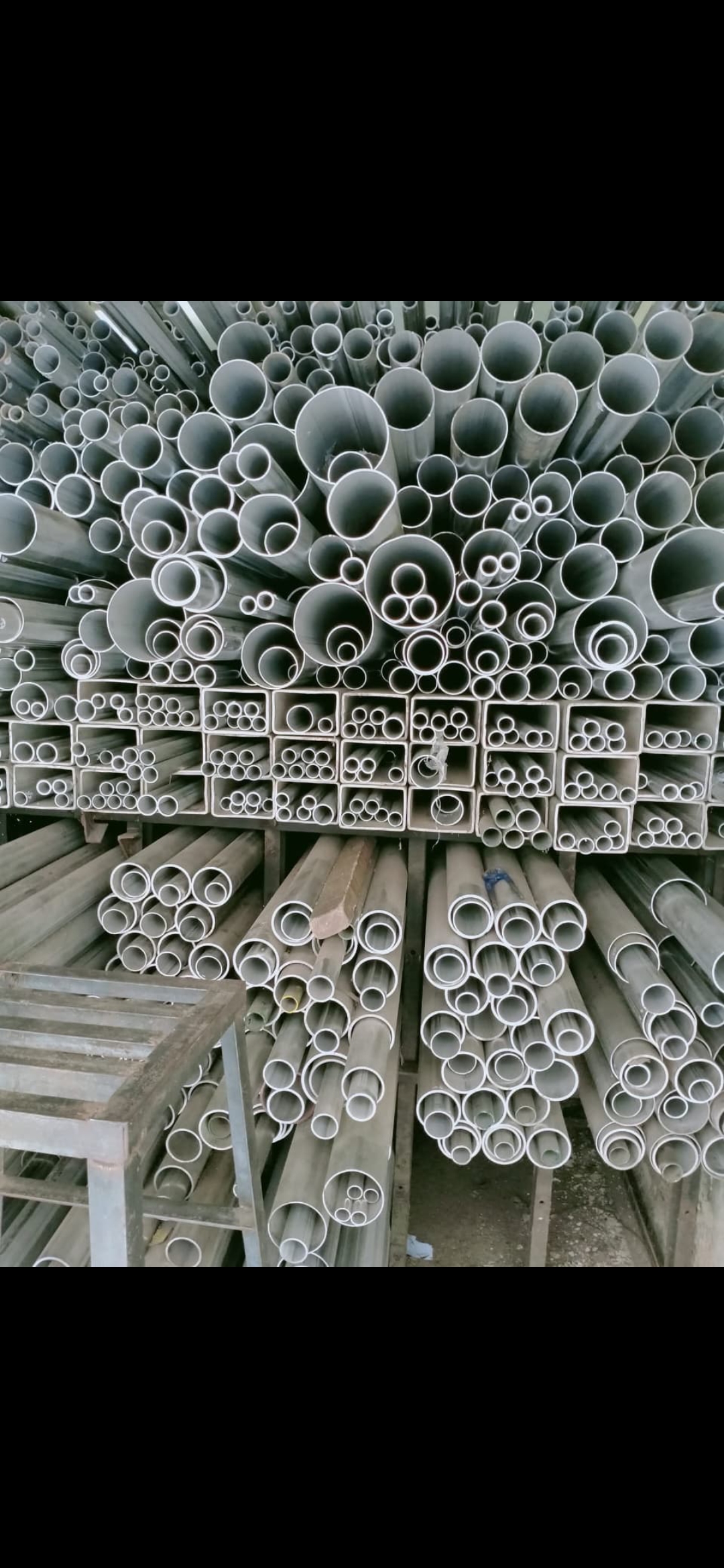
Step 1: Plan and Design
For any stainless steel project, the first stage involves understanding the requirements, careful planning and working out the best processes to use before getting started. A fabricator should ideally be able to give you an idea of which type of stainless steel best suits the job.
Different stainless steel alloys emphasise strength, corrosion resistance, welding, or hygiene properties. Other projects may focus on heat resistance or hardness, while some uses need a beautiful finish. It’s important to get the material right as there are some specific differences between different types of steel, such as the differences between mild steel and stainless steel – making each type suited to varied applications.
While there are many grades of stainless steel, the most common are:
Grade 301: Malleable with an attractive finish, making it useful decorative work
Grade 304: The most widely used, this grade offers high corrosion resistance and is easy to weld and form, making it the metal of choice for kitchens, medical facilities, bathrooms, and outdoors
Grade 316: This type is highly resistant to corrosion, making it perfect for marine use, harsh environments, and surgical tools.
Once they have chosen the right grade, the fabricator can work on the metal, starting with the all-important preparation.
Step 2: Clean and Polish
This preparation stage is crucial for stainless steel fabrication because any flaws in the metal will lead to weaknesses and imperfections in the final product.
Shot Blasting
The first stage involves assessing the metal and using shot blasting to remove any surface impurities and rust.
Surface Preparation
Next, the fabricator will clean and prepare the surface before drawing on a variety of techniques for making the product.
Step 3: Fabrication
Working carefully to the design specs, the fabricator chooses the right techniques for the job, drawing upon the right tools to manipulate the steel carefully. Some fabrication techniques involve welding, cutting, bending, forming, blanking, punching and joining.
Cutting
Using various machines and tools, including shears, circular saws, and plasma torches, metal pieces are cut to the right dimensions, carefully smoothing any rough edges.
Bending and Forming
Fabricators use a variety of techniques to bend and shape stainless steel. They may hammer the metal into the right shape or form it using a jig or machine. For some fabrication, they may use rollers to bend the metal, especially for tubing.